A song can meet someone in a moment when a spoken answer would feel too small. That is why Christian music collections matter. They give listeners more than a single track for a playlist: they create room for worship, reflection, Bible-based storytelling, family listening, and the honest questions that follow people through ordinary life.
For listeners who enjoy strong songwriting and real guitar-driven music, faith-centered collections do not have to fit one narrow sound. A meaningful catalog can move from a worship chorus to a rootsy country story, from a blues-inflected prayer to a rock song built around Scripture. What holds it together is not a production formula. It is the conviction behind the song and the care taken with the message.
What Christian Music Collections Can Hold
A collection has a job that a standalone song does not. One song may offer encouragement on the drive home or become part of Sunday morning worship. A collection can trace a fuller path. It can begin with uncertainty, turn toward truth, make space for gratitude, and finish with hope.
That matters because Christian life is not lived in one emotional register. There are seasons for praise and seasons for perseverance. There are mornings when a simple reminder of God’s faithfulness is enough, and nights when listeners need songs that acknowledge grief, temptation, doubt, or weariness without leaving them there.
The strongest collections make room for that range. They do not pretend every believer has the same story or that every song must sound like a church service. Some songs are direct worship. Others tell a story, revisit a Bible passage, celebrate Christmas, or offer values-centered encouragement for children and families. Different approaches can belong together when they point toward truth with clarity and respect.
Worship is not the only faithful form
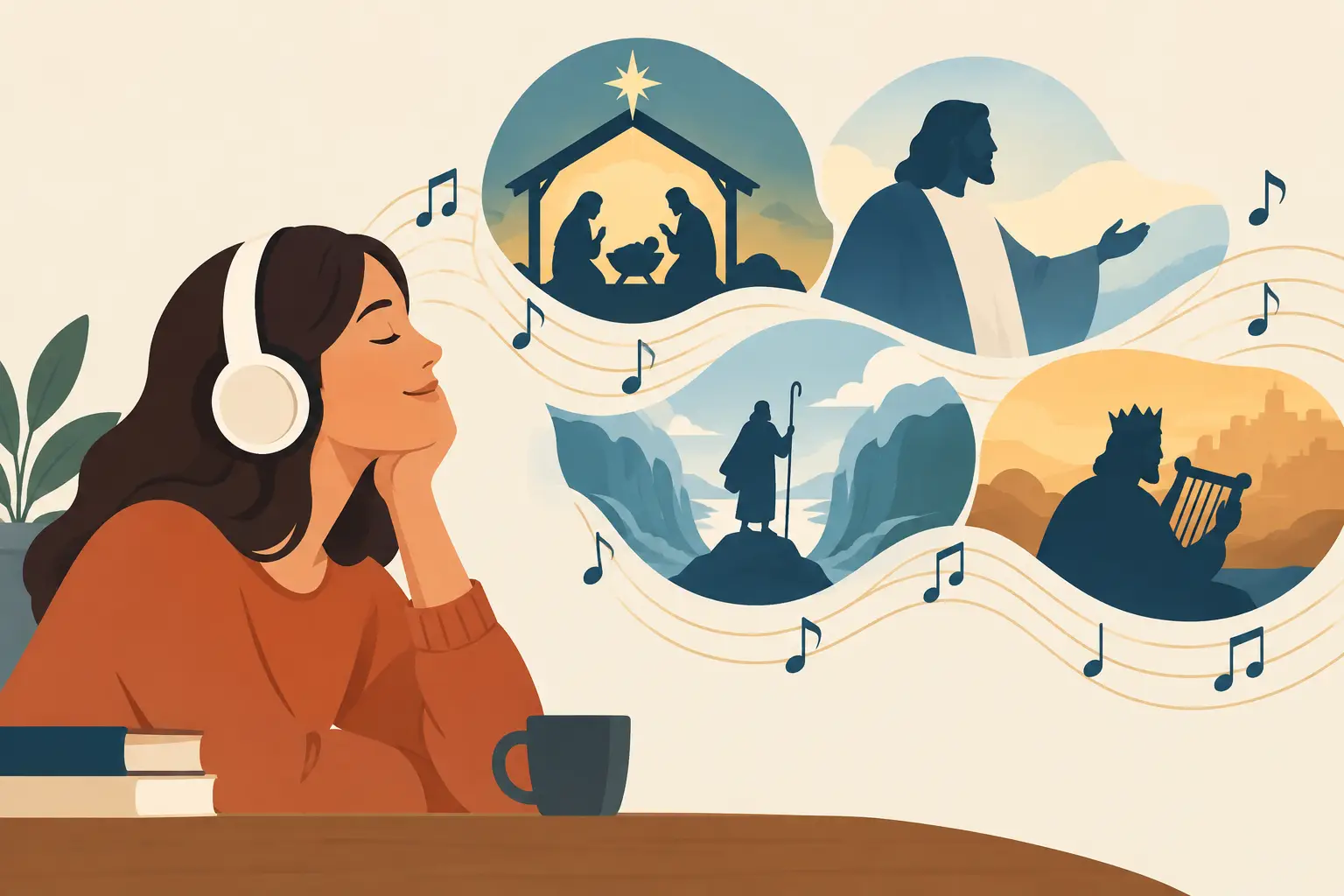
Worship music serves a vital purpose, especially when a lyric is easy to sing and carries a congregation toward praise. But devotional music can also be reflective, narrative, energetic, or plainspoken. A song about a person in Scripture may help a listener see a familiar passage from a fresh angle. A song about forgiveness may land differently when it is told through a lived, human story.
There is a trade-off. A highly specific story may not feel as immediately singable as a simple worship refrain. On the other hand, a story can stay with someone for years because it gives truth a setting, a voice, and a memorable line. Both forms have value. The best choice depends on how the listener plans to use the music.
How to Choose Christian Music Collections That Fit Your Life
Start with the reason you are listening. If you are building a quiet-time rotation, lyrical clarity may matter more than energy. If you are planning a family road trip, songs with memorable melodies, appropriate themes, and a little stylistic variety can carry the miles better. If you are looking for music to share with a friend who loves rock, blues, or country, a collection with strong musicianship may open the door naturally.
Look past the genre label. “Christian” can describe the message, but it does not tell you whether the music is acoustic, electric, traditional, modern, country-rooted, or shaped by pop hooks. Listen for a sound that feels honest. A well-played guitar part, a vocal that carries conviction, and a lyric that does not overstate its point can make a song feel personal rather than packaged.
Also pay attention to what the songs actually say. Faith-centered lyrics do not need to use a religious phrase in every line to be meaningful, but they should have a clear center. Is Scripture handled thoughtfully? Does the message offer hope without pretending hardship is simple? Does the song encourage love, courage, mercy, repentance, faith, or gratitude in a way that feels earned?
A good collection invites repeat listening because it respects the listener. It does not pressure people with empty slogans. It gives them something to carry into the week.
A note for parents and families
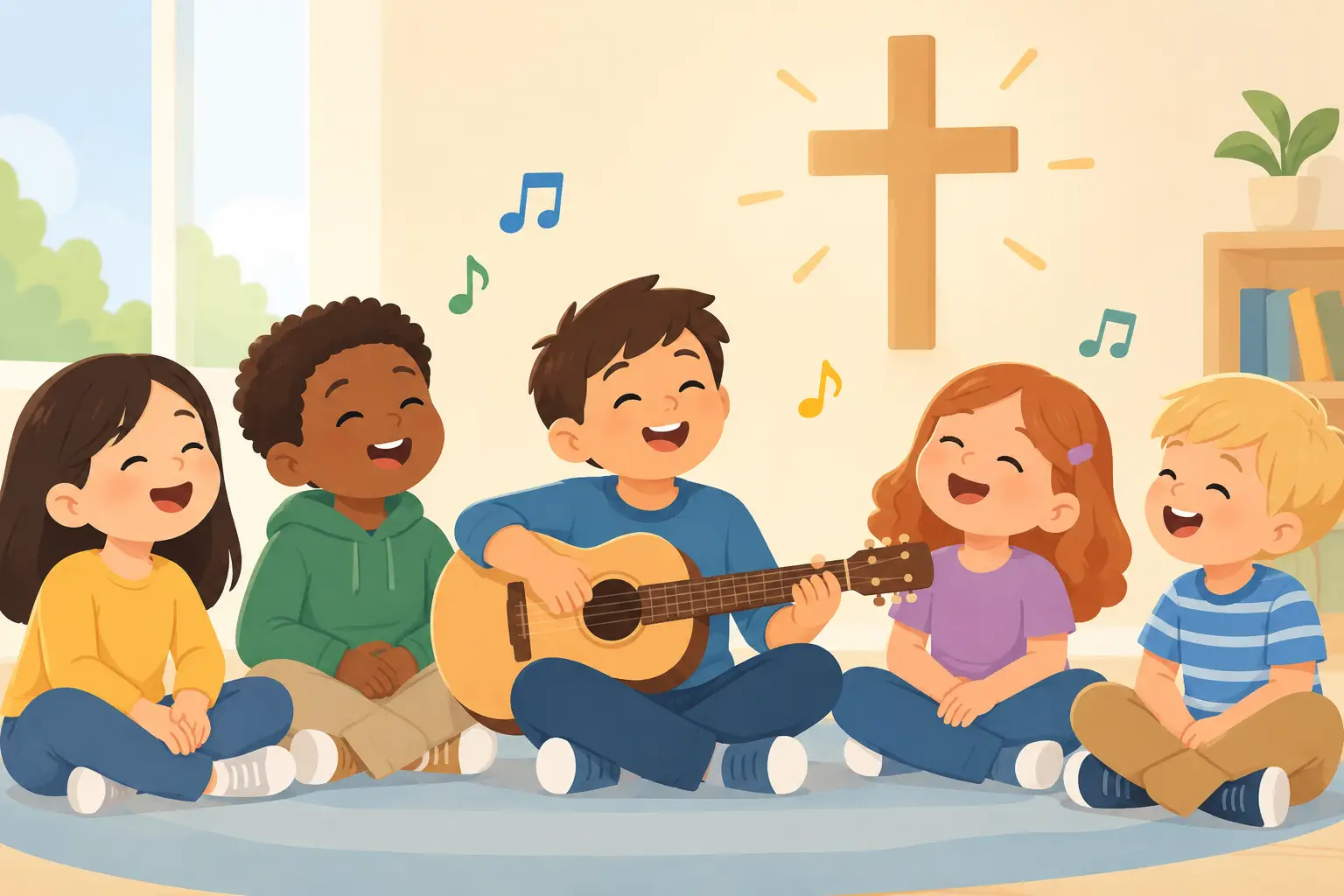
Families often need music that can sit comfortably alongside different ages and tastes. Children may connect first with a lively chorus or a clear story. Adults may notice the lyric, the arrangement, or the way a song brings a Bible theme into everyday language. That shared experience is worth seeking.
Children’s music and Bible-based songs are sometimes treated as a separate category from “serious” music. They should not be. A well-written song for younger listeners can teach a memorable truth without talking down to anyone. The challenge is to be simple without becoming shallow. Music that accomplishes that can become part of family memory for a long time.
Christmas collections deserve the same care. Familiar carols carry deep history, while original canticles and seasonal songs can make room for fresh reflection on the birth of Christ. A balanced Christmas listening tradition can hold both: the songs people know by heart and new work that gives them another reason to pay attention.
Why Independent Christian Music Brings a Different Connection
Independent artists have the freedom to follow a song where it needs to go. That may mean a guitar-led arrangement instead of a trend-driven sound, a lyric with more room to breathe, or a project that brings together worship, rock, pop, blues, and country influences without asking permission from a marketing category.
That freedom comes with responsibility. An artist directing the writing, musical choices, and production has to make decisions carefully. Every lyric, arrangement, and release reflects the artist’s voice. Modern production tools can help complete a recording, but tools are not the source of the song’s purpose. The human choices remain at the center: what to say, how to say it, and when a track is ready to share.
For listeners, this often creates a more direct relationship with the music. You are not only hearing a release chosen by a large system. You are hearing an artist’s point of view, shaped from the first lyric through the finished recording. That does not automatically make independent music better. Major-label and independent artists can both create excellent work. But the directness is real, and for many people, it is part of the appeal.
At Capman Reign, that independent approach makes room for original music across styles while keeping the message and artistic direction close to the source. The goal is not to force every song into the same mold. It is to create music with something to say and give listeners clear ways to hear it, revisit it, and share it.
Build a Collection You Will Return To
The most useful music library is not necessarily the largest one. It is the one you can return to when you need it. Begin with a few projects that serve different parts of your life: one for personal reflection, one for energy and encouragement, one for family listening, and one for seasonal worship or Christmas gatherings. Over time, you will recognize the songs that become companions rather than background noise.
Let your collection have range. Make room for a joyful song that gets played loud, a quieter song that supports prayer, a Scripture-centered piece that helps a passage stay in mind, and a story song that reminds you faith is lived in real places by real people. If a song challenges you, give it time. Not every meaningful track announces itself on the first listen.
Sharing also belongs in the experience. Send a song to a friend facing a difficult week. Play a collection while making dinner with family. Keep music nearby during a drive, a walk, or a season when words are hard to find. The right song does not replace Scripture, community, or prayer. It can, however, help make space for all three.
Choose music that sounds true, says something worth remembering, and leaves you with more than a passing mood. A good collection can become a small, steady reminder that hope still has a voice.